
Advocating for the Tribal People of Washington
AWT protects tribal sovereignty and strengthens tribal nations.


When we come together, there’s so much we can accomplish.
The Association of Washington Tribes (AWT) advocates for federally recognized Tribes in Washington State, and those Tribes outside Washington state with Treaty reserved rights within Washington, to protect the sovereignty, treaty and indigenous rights of Tribes, Tribal Leaders, and citizens with the federal, state, or local governments or organizations.
AWT Provides:
-
Providing forums to advance the government-to-government principles and objectives of the 1989 Centennial Accord regarding:
-
-
Bringing tribal leaders together to address non-gaming issues and to help coordinate tribal engagement and interests in legislative, regulatory and political forums.
Our History
1989
Centennial Accord
After more than a century of conflict between tribes and the state—including the hard-fought Fish Wars which culminated in the 1974 Boldt decision affirming tribal fishing rights— Washington’s federally recognized tribes and the State of Washington signed the Centennial Accord in 1989. The Accord formally recognized the sovereignty of tribal governments and created a shared framework to strengthen the parties’ government-to-government relationship.
1998
Association of Washington Tribes is Established
AWT was established in 1998 to give tribes a forum for discussion and collaboration and a strong voice in the state. AWT advances the principles of the Centennial Accord and advocates for all federally recognized Tribes in Washington State, and those Tribes outside Washington state with Treaty reserved rights within Washington.

1999
Millennium Agreement
The Centennial Accord was reaffirmed in 1999 with the signing of the Millennium Agreement, which laid out the terms and principles of the state-tribal government-to-government relationship. These included partnership and collaboration related to economic, social/cultural issues and natural resources, as well as improved communication, cooperative education, and mutual respect. AWT is included in Section V – Roles & Responsibilities of the Millennium Agreement Government-to-Government Implementation Guidelines.
Board
-
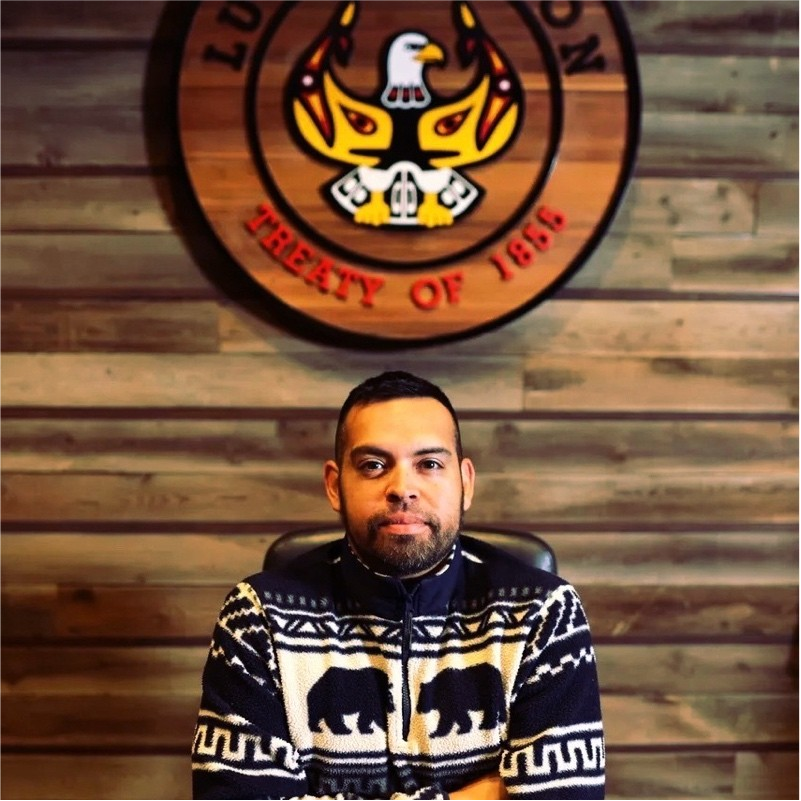
Anthony (Tony) Hillaire (Tse Sum Ten), President
Lummi Tribe
A lifelong Whatcom County resident and enrolled Lummi Nation member, is serving his third term as Chairman of the Lummi Indian Business Council and his fourth term on the council overall, having previously spent five years as Chief of Staff to the Lummi Nation. Throughout his tenure, Chairman Hillaire has been a leading local, regional, and national voice addressing the drug epidemic's devastating impacts on Indigenous communities. His leadership prioritizes the health, safety, and sovereignty of the Lummi people, ensuring community voices and cultural values guide every decision.
-
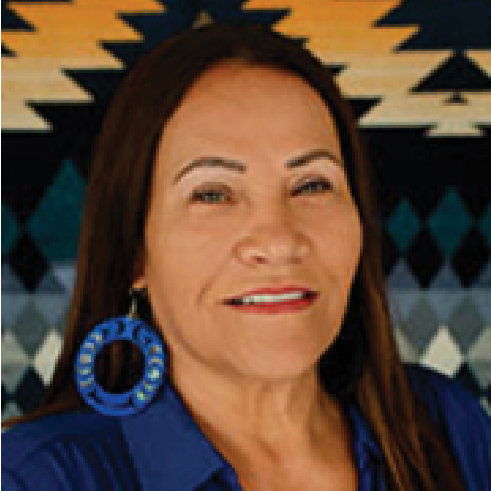
Teri Gobin, West Vice President
Tulalip Tribe
Tulalip Tribal member and board member brings four decades of experience in economic development, treaty rights, and Tribal sovereignty, carrying on the legacy of her late father Stan Jones Sr., who served on the Board for 44 years, including 26 as Chairman. As former Director of the Tulalip TERO, she was a key architect of a nationally recognized trade school, and as a commercial fishing boat owner, she embodies the Coast Salish spirit and commitment to cultural preservation. She lives on the Tulalip Reservation with her husband Billy, proud parent of four children, nine grandchildren, and five great-grandchildren. -
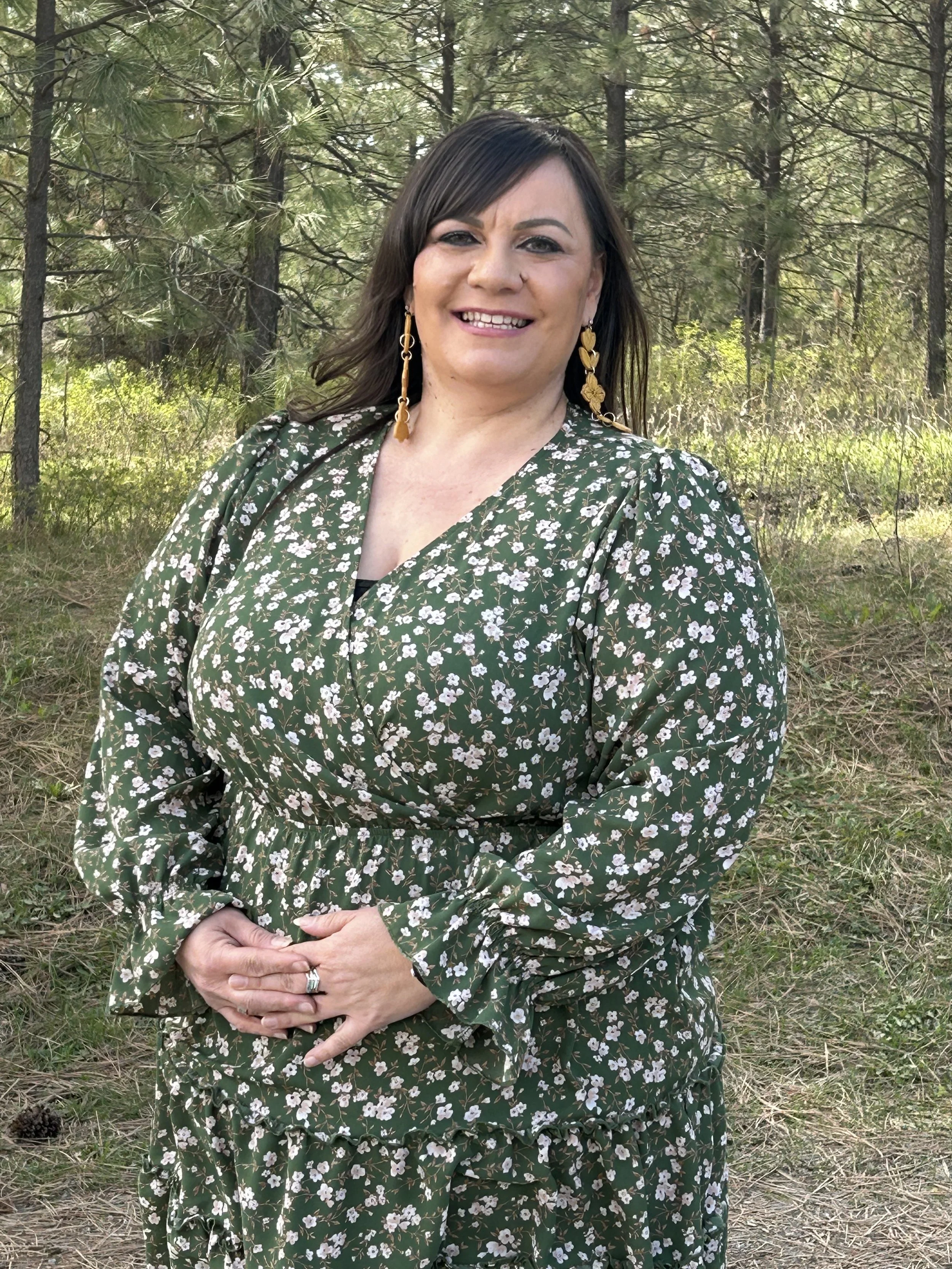
Monica Tonasket, East Vice President
Spokane Tribe
Monica Tonasket is an enrolled Member of the Spokane Tribe of Indians. She currently serves on the Spokane Tribal Business Council as the Council Secretary and is in her second term. She has 30 years’ experience working in various positions at Casinos, Enterprises and Tribal Government. She serves as the Eastern Washington Vice Chair for All Washington Tribes (AWT) and Co-Chair for the Washington State-Tribal Opioid and Fentanyl Task Force. She serves on the WSU Native American Advisory Board, The WSU Native Health Sciences Board, CWU Native Advisory Board, and the Community Colleges of Spokane Tribal Advisory Board and is the Board Treasurer for the Healing Lodge of the Seven Nations. She serves as a Co-chair to the Trust Reform and Human Resources Committee for the Affiliated Tribes of Northwest Indians. She serves on several boards and committees and serves as an advocate in the areas of Health, Youth, Drug Prevention, Education, Natural Resources, MMIW, Environmental Justice and more. Monica graduated from Gonzaga University with a Bachelor’s degree in General Studies with a concentration in Organizational Leadership. She is a mother of four children and is very involved with her family and community and enjoys participating in community events. -
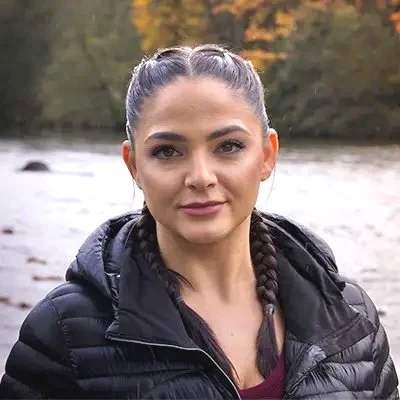
Kadi Bizyayeva, Treasurer
Kadi Bizyayeva serves as the Vice Chairwoman, Fisheries Director, Northwest Indian Fisheries Commissioner, and AWT Treasurer on behalf of the Stillaguamish Tribe of Indians. She is passionate about her role protecting and conserving tribal treaty rights and believes in honest co-management and finding common ground. She co-manages treaty resources with state, federal, and tribal governments and works with them to recover species of concern in the Stillaguamish River watershed and Puget Sound. She previously served as her tribe’s Deputy Fisheries Director and Northwest Indian Fisheries Alternate Commissioner, where she assisted with project oversight and policy guidance, and as an accounting and administrative assistant in the Natural Resources Department before that. Ms. Bizyayeva has an Associate of Arts and Sciences degree with an emphasis in Native environmental sciences from the Northwest Indian College.
-

Open Position, Secretary
-
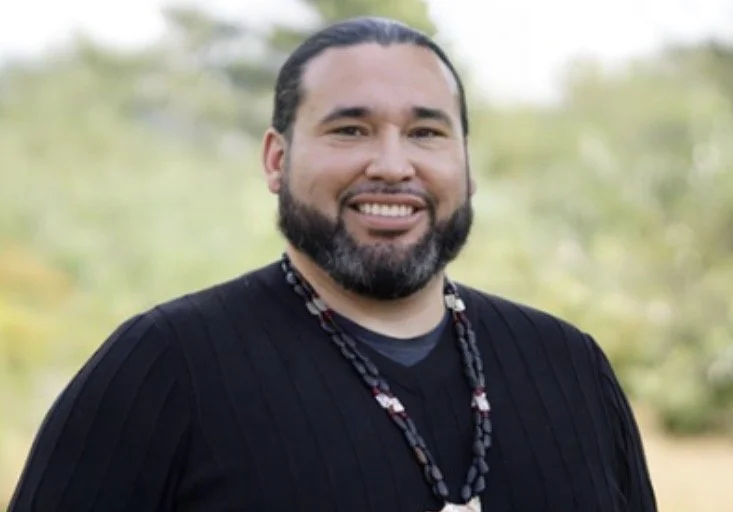
Patrick DePoe, Executive Director
Makah Tribe
Patrick DePoe is a member of the Makah Tribe and was raised on the Makah Reservation in Neah Bay, Washington. He brings a strong background in public service, Tribal governance, and state government leadership. Patrick served two terms on the Makah Tribal Council, where he worked on issues impacting Tribal communities, natural resources, economic development, and government-to-government relations. He also served for two years in executive leadership at the Washington State Department of Natural Resources, helping advance statewide natural resource and environmental initiatives. Throughout his career, Patrick has focused on building partnerships between Tribal Nations, state agencies, local governments, and community organizations. As Executive Director of the Association of Washington Tribes, he is committed to strengthening Tribal sovereignty, advancing shared priorities, and supporting collaboration among Tribal governments across Washington State.

Support Association of Washington Tribes
Stand with Tribal Nations by supporting AWT. Every donation fuels unified leadership, government-to-government engagement, and the ongoing protection of Tribal rights and interests.
Donation link coming soon!
Reach Out
Have a question or want to connect? Please reach out and we will get back to you as soon as we can.